
OCT Eye Scans in Durham
An OCT eye scan provides detailed images of structures at the back of the eye, giving an optometrist additional information when assessing eye health. As an independent optician in Durham, CostSpex has an OCT scanner at its practice. If you are considering an OCT scan, contact the team to discuss whether it may be appropriate, ask about current pricing and arrange a suitable appointment.
What an OCT Eye Scan Can Show
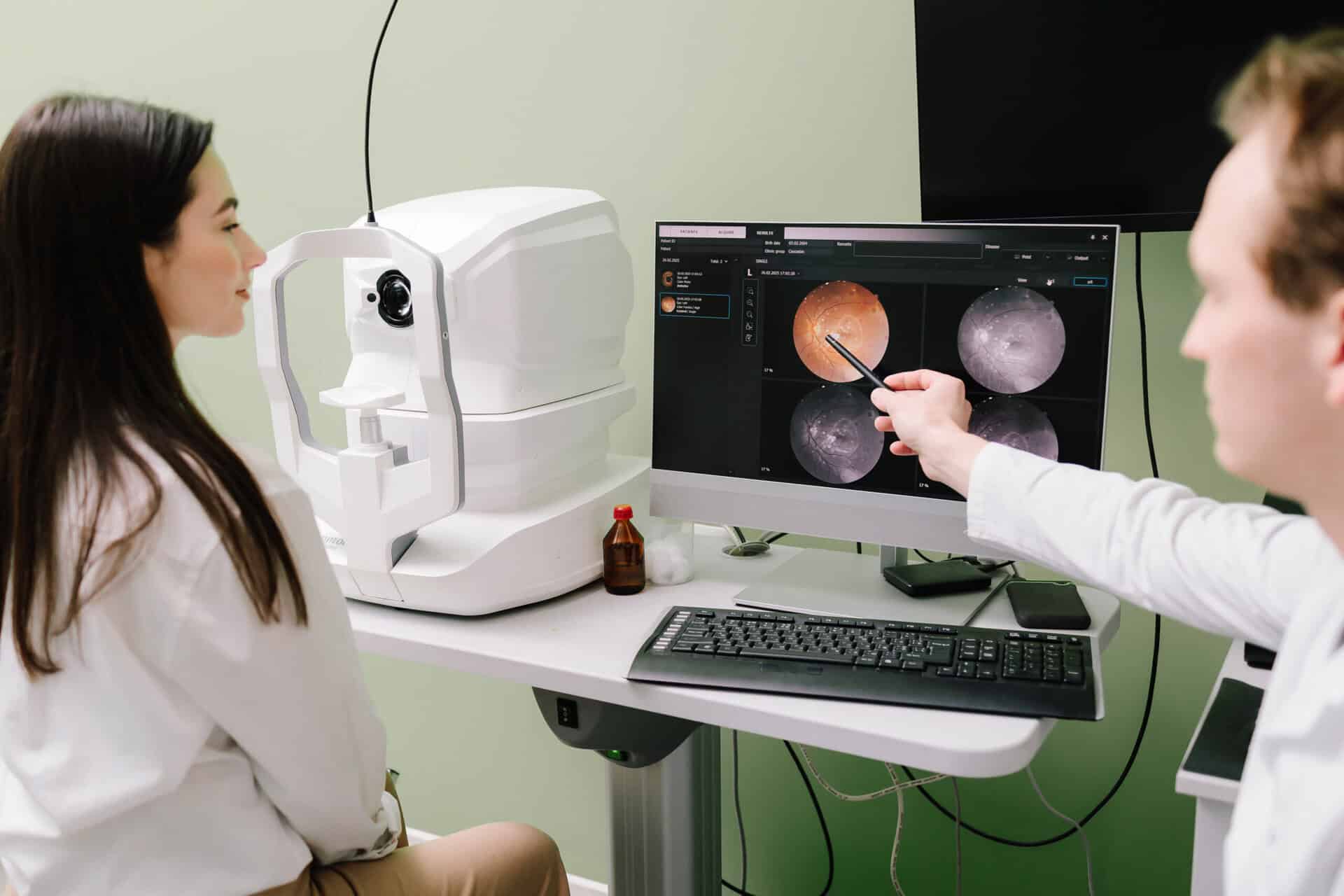
OCT stands for optical coherence tomography. It is an imaging scan that creates detailed cross-sectional pictures of structures at the back of the eye, including the retina. These images can show layers and details that are not visible in the same way during a standard view of the eye. The information gives the optometrist another source of evidence to consider alongside your symptoms, medical and family history, sight-test findings and other examination results. The Look After Your Eyes guide to OCT scanning offers a further plain-English explanation of the technology.
CostSpex confirms that its Durham diagnostic equipment includes an OCT scanner. The practice explains that OCT imaging can support the detection, diagnosis and monitoring of conditions including glaucoma, diabetic retinopathy, age-related macular degeneration and retinal detachments. An OCT scan does not provide a complete assessment on its own: the images need to be interpreted by an appropriate eye-care professional alongside your overall examination. The team can explain what the scan may add in your circumstances.
If you have a copy of your last prescription, please bring it with you.
If you have glasses, please bring them with you to your appointment.
Please remove your contact lenses before your appointment. We won't be able to test your eyes otherwise!
The eye test usually takes 20 to 25 minutes, but is tailored to each patient depending on our findings, for both single vision and multifocal.
When an OCT Scan May Be Useful
An OCT scan may be considered when an optometrist wants more detailed information about the structures at the back of your eye. It can be useful as part of an assessment where there are concerns about eye health, a relevant family history or a previous diagnosis that needs monitoring. The decision depends on your individual findings rather than a single rule that applies to everyone. Your optometrist can explain why additional imaging may be helpful and what questions it is intended to answer.
Some people ask about OCT because they want a more detailed picture of their eye health, while others may be advised to consider it after a routine examination. The scan is optional and should only be carried out with your agreement after its purpose and price have been explained. Contact CostSpex to ask about current pricing and booking arrangements and whether the optometrist recommends a scan for your needs. Having a scan does not remove the need for regular eye examinations or any specialist appointments already arranged for you.

What Happens During an OCT Scan
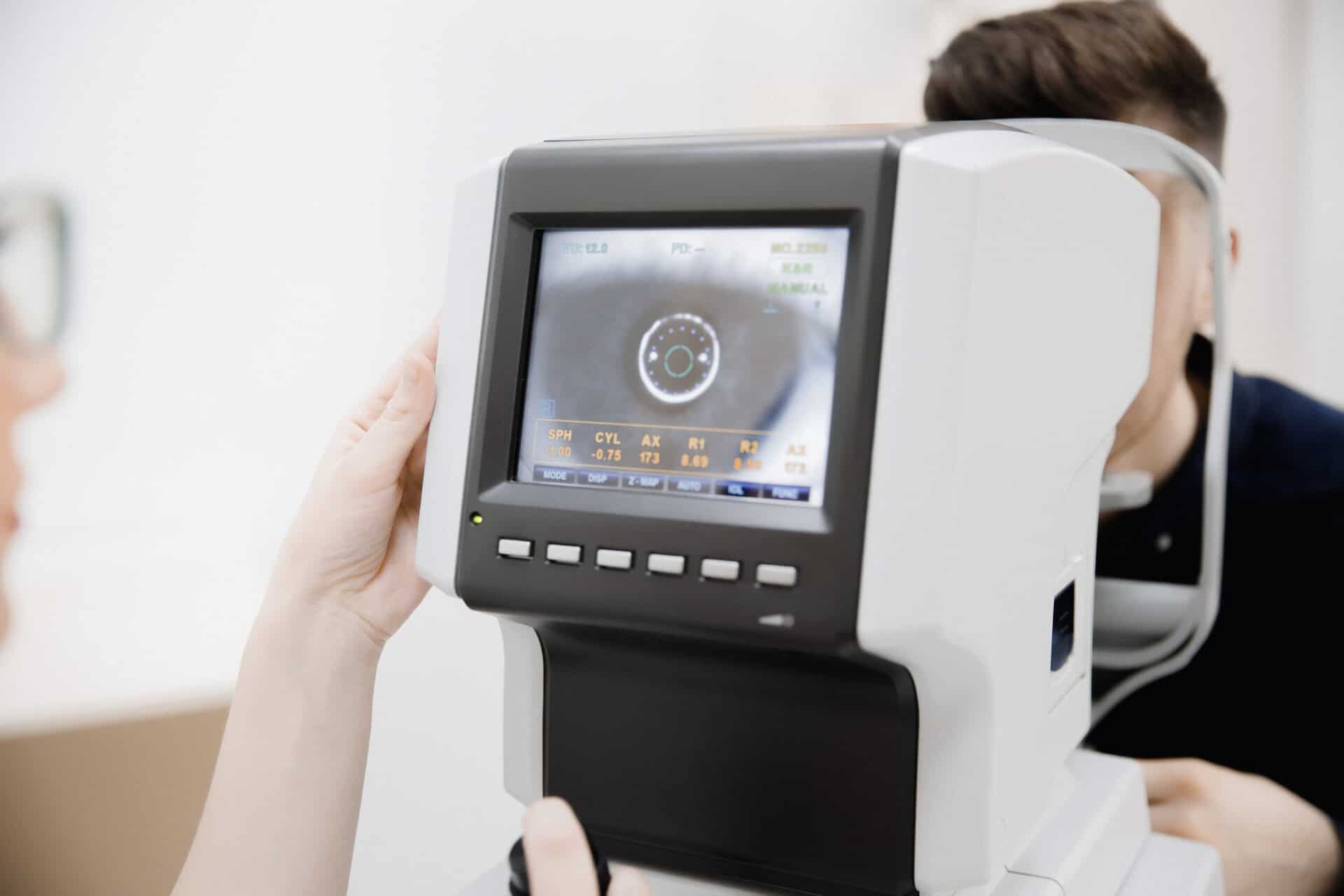
Before the scan, the team should explain what the imaging involves and give you an opportunity to ask questions. You will be guided into position at the scanner and asked to look towards a fixation target while the equipment captures images. The scanner uses safe, low-powered laser light to capture images without touching the eye. The process usually takes only a few seconds, although some people may find the bright light briefly uncomfortable. Follow the instructions given during the appointment and let the team know if you find it difficult to keep your head still or maintain the required position.
After the images have been captured, the optometrist can consider them alongside the other information from your examination. The meaning of the results depends on the structures shown, the quality of the images and your wider clinical picture. If the scan identifies something that needs further investigation, the optometrist will explain the recommended next step. An OCT image should not be treated as a diagnosis in isolation, and it does not replace a full sight test, examination or referral where one is needed.
Why Choose CostSpex for OCT Eye Scans?
CostSpex is a family-run, independent optician in Durham, established in 2004. You can meet the team and find out more about the practice. The practice has invested in diagnostic equipment for its eye examinations, including an OCT scanner, while keeping personal attention at the centre of the service. Its team has more than 100 years of combined optical experience and aims to explain findings in plain English, so patients can understand what has been checked and why further investigation may be suggested.
At the Durham practice, equipment is used alongside the knowledge and judgement of the eye-care team rather than as a substitute for professional assessment. You can ask about the purpose of an OCT scan, whether it may be relevant to your circumstances and the current pricing before deciding whether to proceed. The team can also explain how the scan fits alongside a routine eye examination and any existing monitoring or specialist care.
Independent Durham Practice
A family-run opticians established in Durham in 2004, with a personal approach to eye care.
Modern Diagnostic Equipment
The Durham practice's diagnostic equipment includes an OCT scanner for additional eye imaging.
Combined Optical Experience
More than 100 years of combined optical experience across the CostSpex team.
Clear, Personal Advice
The team aims to explain examination findings and options in straightforward language, without a hard sell.
Arranging an OCT Eye Scan at CostSpex
To ask about an OCT eye scan, contact CostSpex before your visit. The team can provide current pricing, explain how to arrange the scan and advise whether it is offered as part of a routine eye-test appointment or requires a separate arrangement. If you have already been advised to consider OCT imaging, mention this when you call and explain whether the recommendation came from a previous optometrist or another eye-care professional.
If you have a current prescription, previous scan information or details of an eye condition being monitored, ask whether these would be useful to bring. The practice is at Unit 41 Dragonville in Durham. If you have a sudden change in vision or an urgent eye concern, do not wait for a routine OCT appointment; seek appropriate urgent medical or eye-care advice. For general enquiries, call 0191 386 3517 or use the online contact form to ask about availability, pricing and booking.

Frequently Asked Questions
OCT scanning can provide additional information during an eye-health assessment, but it is not necessary for every patient. These answers explain what the scan is and how it relates to a routine eye examination. Contact CostSpex to discuss current pricing and appointment arrangements before deciding whether to have one.
OCT stands for optical coherence tomography. It is an imaging technique that creates detailed cross-sectional pictures of structures at the back of the eye, including the retina. The images provide information that an optometrist can consider alongside your sight test, symptoms, history and other examination findings. CostSpex has an OCT scanner within its diagnostic equipment at the Durham practice. Contact the practice for current pricing and booking arrangements.
An OCT scan produces detailed images of structures at the back of the eye, particularly the layers of the retina. The information can help an optometrist assess changes associated with certain eye conditions and monitor findings over time. CostSpex names glaucoma, diabetic retinopathy, age-related macular degeneration and retinal detachments among the conditions for which OCT imaging may support detection, diagnosis or monitoring. The optometrist will explain what is relevant to your examination.
OCT imaging is generally a non-contact scan, so the equipment captures images without touching the eye. You will be asked to position yourself at the scanner and look towards a target while the images are taken. If you are worried about the process, have difficulty positioning yourself or need any adjustments, tell the team before the scan begins. They can explain what to expect and whether the scan is suitable for you.
No. A routine eye examination assesses your vision and eye health using a range of checks, discussion and clinical findings. OCT is an additional imaging option that provides detailed cross-sectional pictures of structures at the back of the eye. It can add useful information in some circumstances, but it does not replace a full eye examination or other tests that the optometrist considers necessary. CostSpex can explain how OCT fits into your appointment.
OCT images can help an optometrist identify and monitor changes in structures at the back of the eye. The scan may support assessment of conditions such as glaucoma, diabetic retinopathy and age-related macular degeneration, among others. However, an OCT scan is only one part of an overall assessment. The optometrist interprets the images alongside your symptoms, history and other examination findings before explaining whether further monitoring, investigation or referral is needed.
Not necessarily. Whether an OCT scan is useful depends on your individual eye health, history, examination findings and the optometrist’s professional judgement. Some people may be advised to have imaging because there is a particular concern or a condition to monitor, while others may not need it at that appointment. Contact CostSpex for current pricing and booking arrangements, and discuss the reasons for the scan before agreeing to it.