
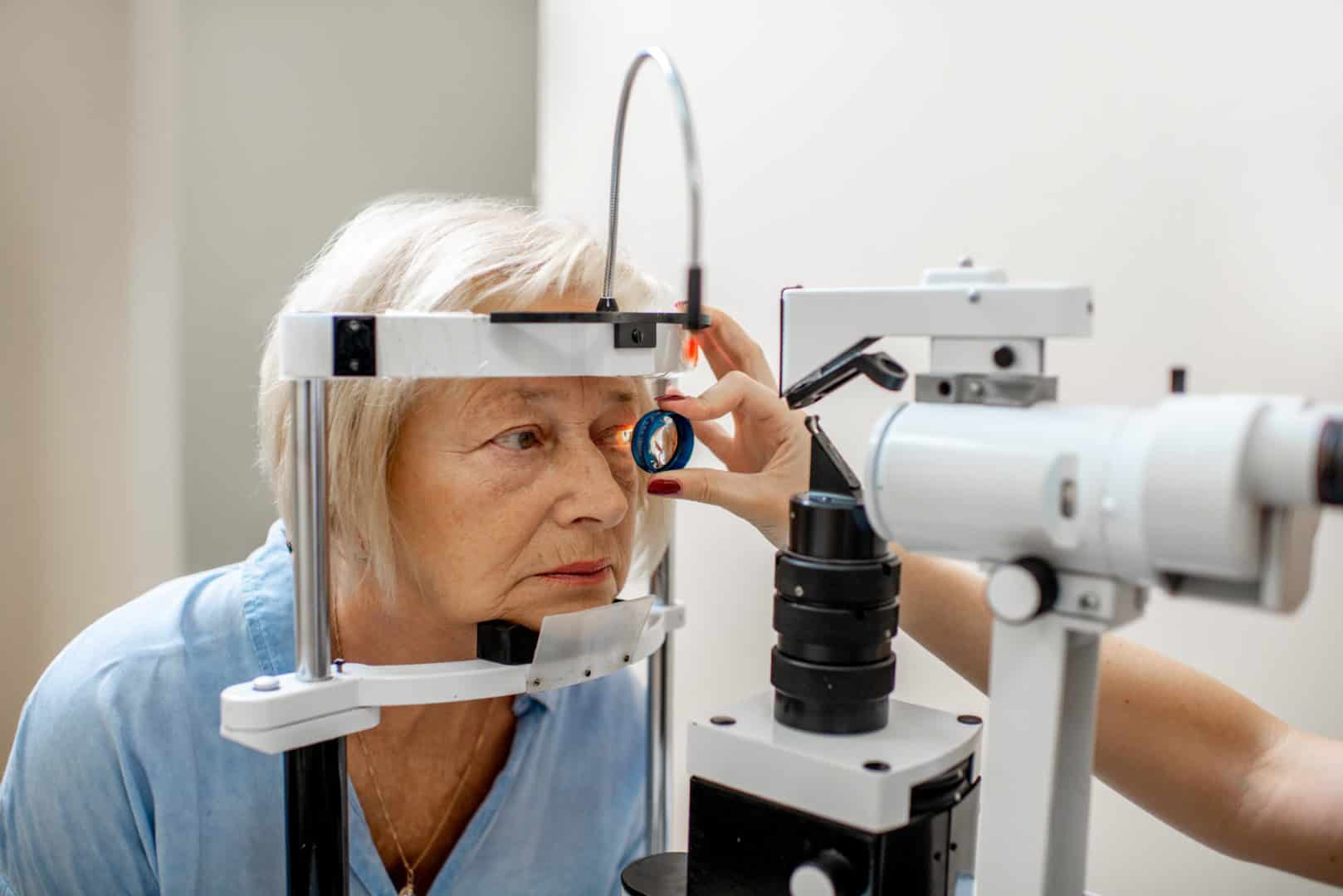
If you have diabetes, you may be invited for regular diabetic eye screening as part of your ongoing care. You should also continue to attend routine eye examinations with an optician. Although both appointments involve checking your eyes, they are not interchangeable. Diabetic screening looks specifically for signs of diabetic retinopathy, while a routine eye test assesses your vision and broader eye health. Understanding the difference helps you know which appointment you need and why keeping up with both matters.
What Is Diabetic Eye Screening?
Diabetic eye screening is an NHS programme designed to identify early signs of diabetic retinopathy, a condition in which high blood glucose damages the small blood vessels at the back of the eye. These changes can develop without obvious symptoms, so screening can find signs of damage before you notice a difference in your sight. Detecting changes early gives the screening service an opportunity to arrange monitoring, further assessment or referral where appropriate. The purpose is to reduce the risk of avoidable sight loss among people with diabetes.
The screening appointment usually involves taking photographs of the retina, the light-sensitive layer at the back of the eye. The images are checked by trained professionals for signs of diabetic retinopathy. Screening is not a complete eye examination and does not check for every condition that can affect sight. It is also not a guarantee that no eye problem is present: no screening test is completely reliable. The NHS explains the programme, eligibility and appointment process in its guide to diabetic eye screening.
Who Is Invited and How Often?
In England, people with diabetes aged 12 or over are invited for diabetic eye screening. You will usually receive an invitation by letter when you are due, with either an appointment arranged for you or instructions on how to book. The interval depends on your previous screening results. People are generally invited every year at first, while those whose last two screening appointments found no diabetic retinopathy may be invited every two years. Your own invitation letter is the best guide to when you should attend.
Gestational diabetes is treated differently: the NHS screening programme does not routinely invite people who have gestational diabetes. If you have diabetes and are pregnant, or your diabetes diagnosis or circumstances have changed, speak to your diabetes or maternity team about the eye checks recommended for you. If you think you are due screening but have not received an invitation, do not assume that you are no longer eligible. Contact your GP practice or local diabetic eye screening service and ask them to check your details. Keep your invitation letters and attend at the interval advised for your circumstances.
What Happens at a Screening Appointment?
A diabetic eye screening appointment usually takes around 30 minutes. You may first be asked to read letters from an eye chart. Drops are then usually placed in your eyes to make the pupils larger, allowing clearer photographs of the back of the eye. The drops can sting briefly and may make your vision blurry. Once they have taken effect, you will look into a camera while photographs are taken. The camera does not touch your eyes, although you will see a bright flash as each image is captured.
The drops can affect your sight for several hours, so plan how you will travel home. NHS guidance advises that you should not drive until your vision has returned to normal; this can take up to six hours. Sunglasses may make bright light more comfortable, and you may want someone to accompany you or collect you. Bring the glasses or contact lenses you normally use. You will not usually receive the result during the appointment because the photographs need to be reviewed. The NHS aims to send a result letter within around three weeks.
Understanding Screening Results and Follow-Up
Your result letter will explain whether the photographs showed any signs of diabetic retinopathy and what should happen next. A result showing no changes means no diabetic retinopathy was identified in the images. You will still be invited for another screening appointment at the interval stated in your letter. A result showing background retinopathy means some early changes have been found, although your sight may not be affected. You may be invited back sooner, often within a year, so the screening service can monitor whether the changes develop.
A result showing referable retinopathy means the changes need further assessment by an eye-care specialist. It does not mean that sight loss is inevitable, but it is important to follow the instructions in the letter and attend any appointment offered. Sometimes the photographs are not clear enough to assess, in which case you may be asked to return for repeat images or another type of examination. Follow-up intervals and treatment depend on the findings. If you do not understand your result, contact the screening service using the details in your letter rather than guessing what it means.
Why You Still Need Routine Eye Tests
Diabetic eye screening has a specific purpose: it looks for diabetic retinopathy. It does not replace a routine eye test with an optometrist, which checks your vision and assesses wider eye health. People with diabetes can also develop other eye conditions, including glaucoma and cataracts, and a routine examination gives the optometrist an opportunity to look for signs that may need advice, monitoring or referral. The two appointments are designed to complement one another, not duplicate the same checks.
During a routine eye examination, the optometrist may ask about your diabetes, general health, medication and any changes in your eyesight. They will assess your vision and examine relevant structures of the eye, taking your circumstances into account. Tell them that you have diabetes even if you attend screening regularly and have not noticed any problems. Bring details of any recent screening results or hospital eye appointments if they are relevant. The NHS explains that people with diabetes should continue to have regular eye tests at an optician as well as attending diabetic eye screening.
When to Contact an Optician or Seek Urgent Help
Diabetic retinopathy may not cause symptoms in its early stages, which is one reason routine screening is important. However, do not wait for your next screening invitation if you notice a change in your vision. Gradually worsening eyesight, floaters or difficulty seeing in low light should be discussed with your GP, diabetes care team or an optician. These symptoms do not automatically mean you have diabetic retinopathy, but they need appropriate assessment. Keep attending your screening appointments even if your vision feels normal, because early changes may not be noticeable.
Sudden changes need more urgent attention. The NHS advises people with diabetes to seek an urgent GP appointment or contact NHS 111 if their eyesight suddenly gets worse or they develop blurred vision. If you suddenly lose vision in one or both eyes, go to A&E or call 999. Do not wait for a routine eye test or screening appointment to report these symptoms. If you are unsure what to do, use NHS 111 for urgent advice. For a longer-term change or a concern that is not sudden, contact your usual healthcare professional and explain what has changed, when it began and whether it affects one or both eyes. See the NHS guidance on diabetic retinopathy for further information.
Finding the Right Eye-Care Service
If you have received an NHS diabetic eye screening invitation, follow the instructions in the letter to confirm or rearrange your appointment. If you believe you are due but have not been contacted, speak to your GP practice or local screening service. The NHS service finder can help you identify the appropriate programme in your area. If you have been referred for further assessment, follow the instructions provided and attend the appointment even if your sight seems unchanged. Screening is most useful when people attend at the intervals recommended for them.
For a routine eye examination, contact an optician separately and explain that you have diabetes when arranging the appointment. A local practice can discuss its eye-test arrangements, but it should not be treated as a substitute for the NHS screening programme unless it is specifically commissioned to provide that service. If you live near Durham, you can learn more about CostSpex’s independent optician practice, meet the team and find details of routine eye examinations for people with diabetes in Durham, or contact the team with a general enquiry. Keeping both types of eye care in your routine helps ensure that the specific checks each service provides are not missed.