
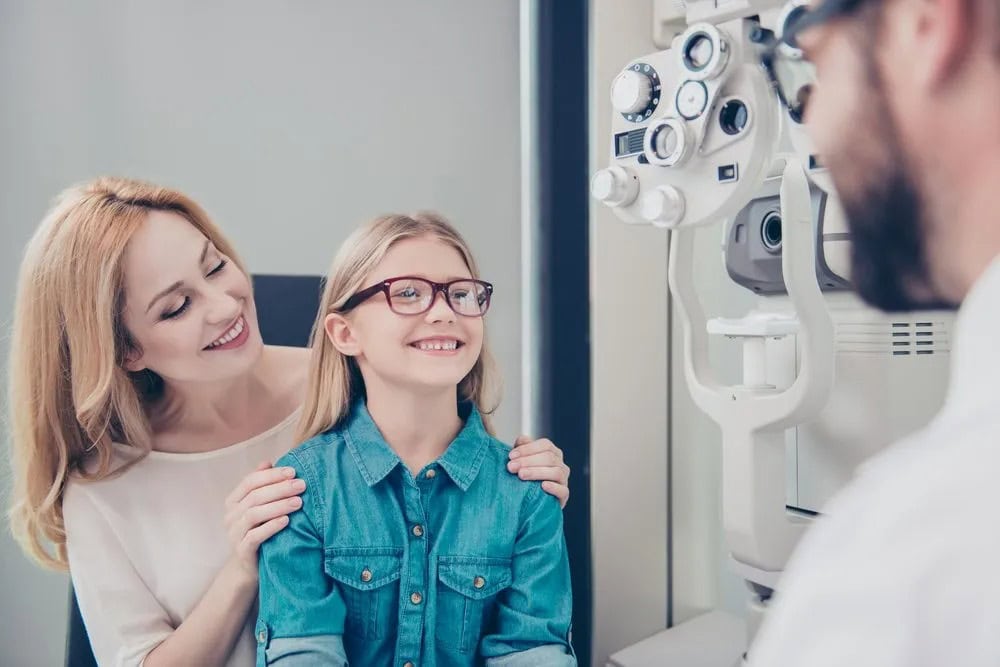
Children are remarkably good at adapting to the world around them, which unfortunately means that vision problems can go undetected for a surprisingly long time. Unlike adults, who notice when their eyesight deteriorates because they have a clear memory of how things used to look, children have no such reference point. If a child has always seen the world in a certain way, they simply assume that is how everyone sees it. This means that common conditions such as short-sightedness, long-sightedness and astigmatism can quietly affect a child’s learning, confidence and development for months or even years before anyone realises something is wrong. Knowing what signs to look out for is one of the most useful things a parent can do, and the earlier a problem is identified, the easier it is to manage.
Common Signs to Look Out For
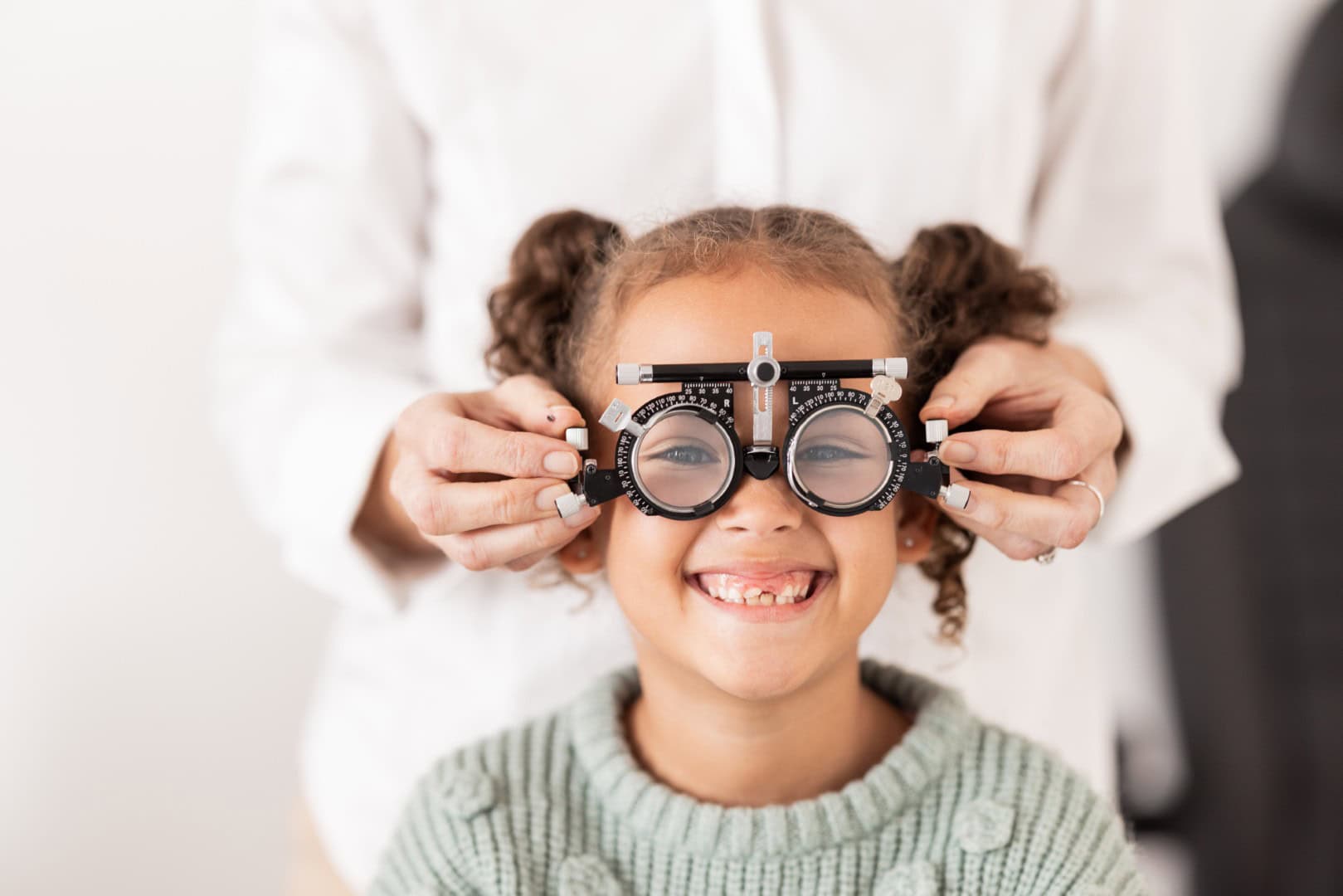
There are a number of behavioural and physical signs that may suggest a child is struggling with their vision, and while none of them are definitive on their own, any combination of them is worth taking seriously. One of the most common is sitting unusually close to the television, or holding books, tablets and other devices very close to their face. This is often a sign of short-sightedness, where objects at a distance appear blurry and the child instinctively moves closer to see more clearly. Squinting is another frequently observed sign, as narrowing the eyes can temporarily sharpen a blurred image, and children will often do this without realising they are doing it. Frequent headaches, particularly after school or after periods of concentrated reading or screen time, can indicate that a child’s eyes are working harder than they should to compensate for a vision problem. Rubbing the eyes regularly, tilting the head to one side when focusing, or covering one eye to see more clearly are also behaviours worth noting. In the classroom, signs such as losing their place when reading, struggling to copy from the board, or falling behind in ways that do not match their ability can all have a visual root cause that has simply not been identified yet. According to the NHS, it is recommended that children have their eyes tested regularly, as many problems can be identified and treated effectively if caught early.
Vision Problems That Commonly Affect Children
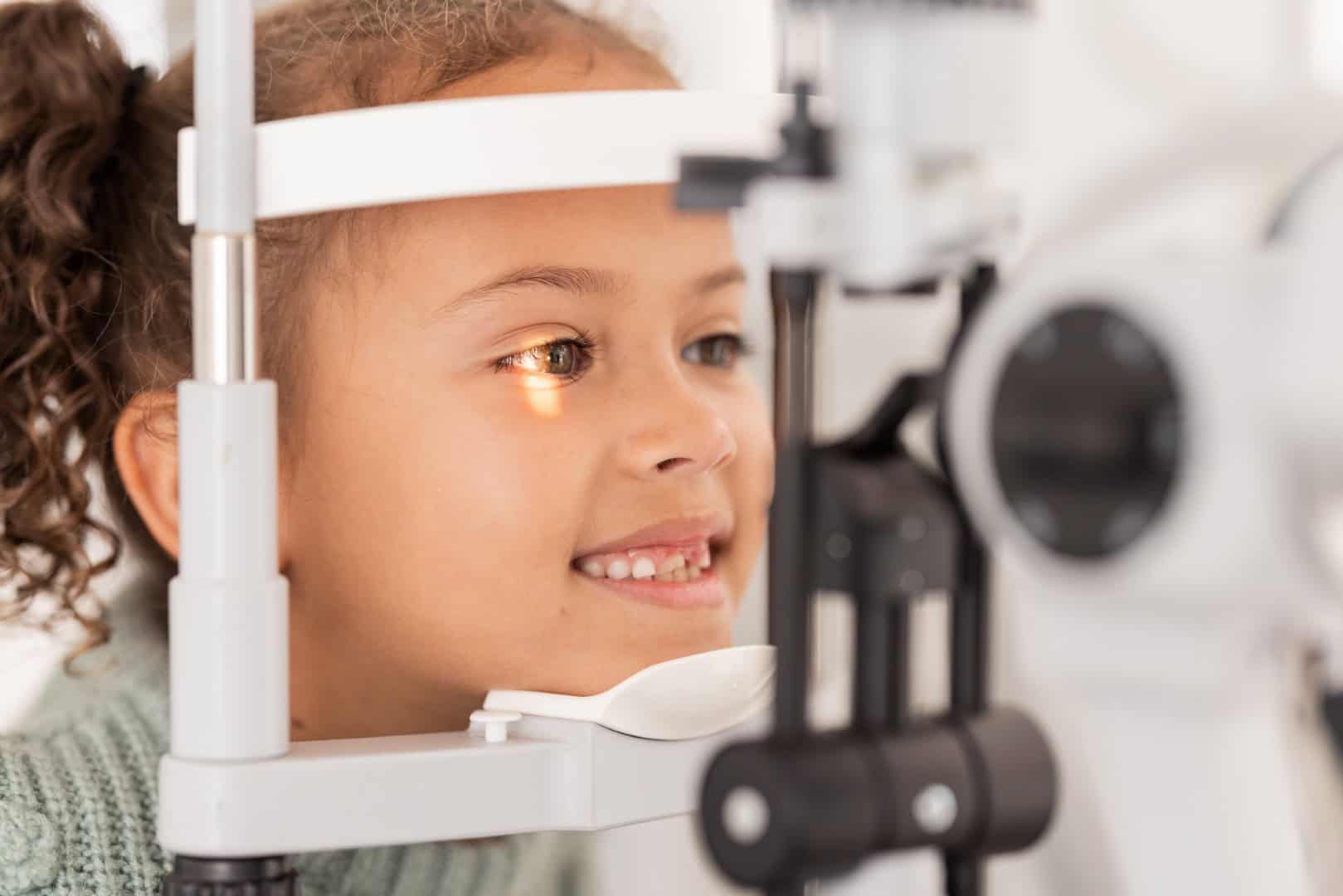
There are several eye conditions that are particularly common in children, and understanding what they are can help parents recognise the signs more quickly. Short-sightedness, or myopia, is one of the most widespread, and its prevalence in children has increased significantly in recent decades. A short-sighted child can see clearly up close but struggles with objects at a distance, which is why they may squint at the board in class or sit closer to the television than their siblings. Long-sightedness, or hyperopia, is the opposite, where distant objects may appear clearer than those up close, though in children this is not always straightforward as young eyes are often able to compensate for mild long-sightedness through extra effort, which can lead to headaches and eye strain rather than obvious blurring. Astigmatism occurs when the cornea or lens of the eye is not perfectly curved, causing blurred or distorted vision at all distances, and it is frequently found alongside short or long-sightedness. Amblyopia, more commonly known as lazy eye, is a condition where one eye does not develop normal vision, often because the brain begins to favour the stronger eye and effectively ignores the weaker one. It is very treatable when caught early, but becomes significantly harder to address the older a child gets, which is why early testing is so strongly recommended. A squint, where the eyes do not point in the same direction, is another condition that benefits enormously from early detection and intervention.
Why Early Detection Makes Such a Difference
The earlier a vision problem is identified in a child, the more effectively it can be treated, and in some cases the window for the most successful intervention is relatively short. Conditions such as lazy eye respond best to treatment during the early years of a child’s development, when the visual system is still forming and the brain remains receptive to correction. Treatment at this stage, which typically involves glasses and sometimes patching the stronger eye to encourage the weaker one to work harder, can produce significant improvements that would simply not be achievable if the same condition were left undetected until a child was older. For conditions such as short-sightedness, early detection means a child can get the glasses they need before the problem begins to affect their learning, their confidence and their enjoyment of everyday activities. There is growing evidence that uncorrected vision problems in children are linked to difficulties with reading, concentration and academic progress, not because of any lack of ability, but simply because a child cannot see clearly enough to engage properly with the material in front of them. Getting a child’s eyes tested regularly removes this as a variable and ensures that any changes to their vision are picked up and addressed promptly. The College of Optometrists highlights the importance of routine eye examinations for children as a key part of maintaining their overall health and development.
What to Do If You Are Concerned About Your Child’s Vision
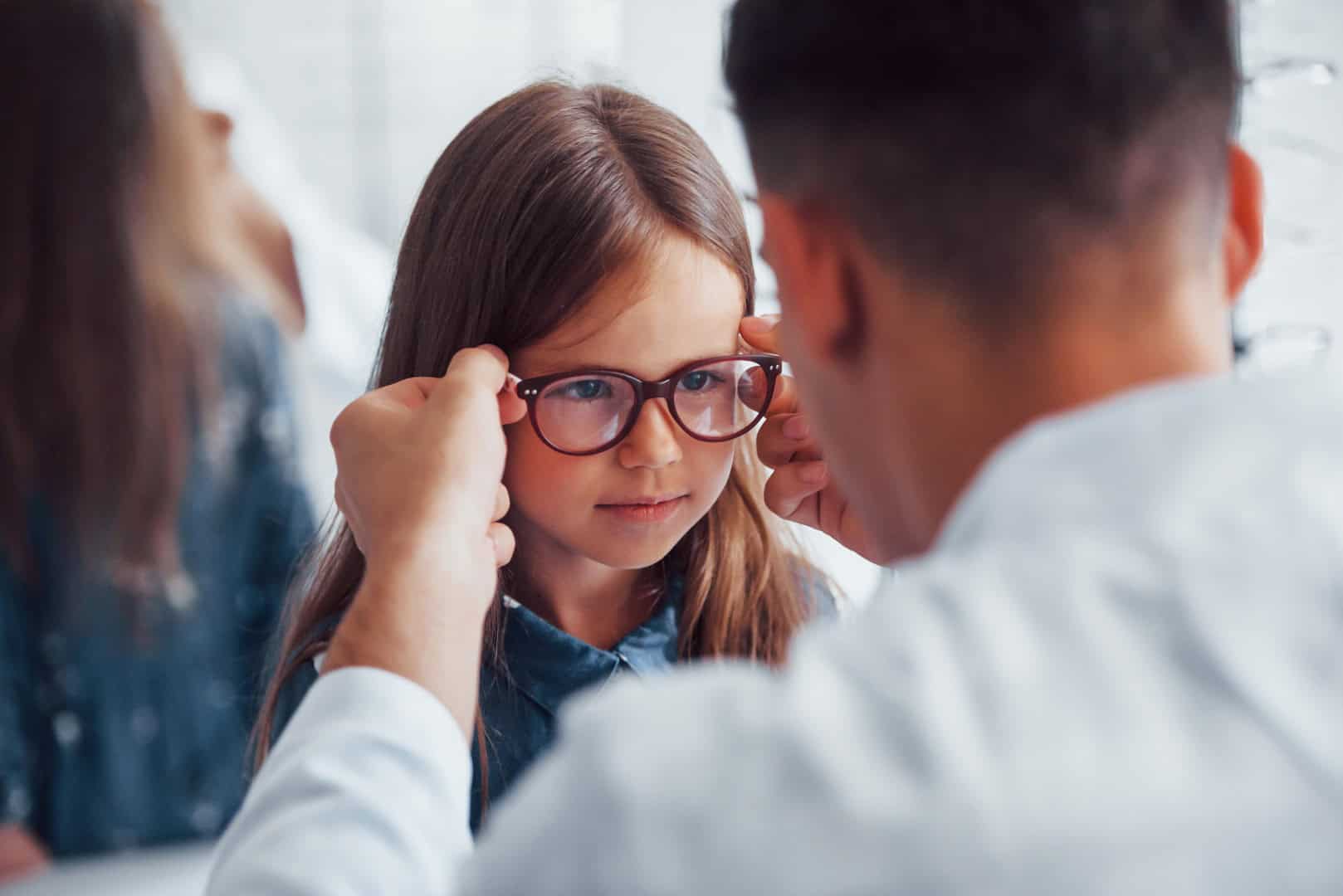
If you have noticed any of the signs described above, or if your child’s school has flagged a potential concern, the most important thing you can do is book an eye test as soon as possible rather than waiting for the next routine appointment. School vision screenings, where they are carried out, are a useful first step but they are not a substitute for a full eye examination carried out by a qualified optician. They can miss conditions that a proper test would pick up, and a clear result from a school screening does not necessarily mean a child’s vision is problem-free. When you take your child for an eye test, there is no need to worry about whether they are old enough or able to read the letters on a chart. Opticians use a range of specially designed techniques and equipment that allow them to carry out an accurate examination regardless of a child’s age or ability to respond verbally. It is also worth knowing that all children under 16, or under 19 if in full-time education, are entitled to a free NHS eye test, so there is no financial barrier to getting your child’s eyes properly checked. If glasses are recommended, NHS optical vouchers are available to help towards the cost. At Costspex in Durham, our experienced team carries out children’s eye tests in a warm and relaxed environment, making sure your child feels comfortable and at ease throughout the appointment.
If you have noticed any of the signs described above, or if your child’s school has flagged a potential concern, the most important thing you can do is book an eye test as soon as possible rather than waiting for the next routine appointment. School vision screenings, where they are carried out, are a useful first step but they are not a substitute for a full eye examination carried out by a qualified optician. They can miss conditions that a proper test would pick up, and a clear result from a school screening does not necessarily mean a child’s vision is problem-free. When you take your child for an eye test, there is no need to worry about whether they are old enough or able to read the letters on a chart. Opticians use a range of specially designed techniques and equipment that allow them to carry out an accurate examination regardless of a child’s age or ability to respond verbally. It is also worth knowing that all children under 16, or under 19 if in full-time education, are entitled to a free NHS eye test, so there is no financial barrier to getting your child’s eyes properly checked. If glasses are recommended, NHS optical vouchers are available to help towards the cost. At Costspex in Durham, our experienced team carries out children’s eye tests in a warm and relaxed environment, making sure your child feels comfortable and at ease throughout the appointment.