
Most people know they should have their eyes tested regularly, but far fewer actually know how often that should be, or why it matters beyond simply updating their glasses prescription. A routine eye test does much more than check how well you can see. It can pick up early signs of serious eye conditions, and in some cases wider health issues such as high blood pressure and diabetes, often before you have noticed any symptoms yourself. Whether you are a young adult, a parent keeping an eye on your child’s vision, or someone who has reached the age where NHS eye tests become free, understanding how often you should be visiting your opticians is one of the simplest things you can do for your long-term health.

The General Recommendation for Adults
For most adults, the standard recommendation is an eye test every two years. This is the guidance followed by the NHS and most optical practitioners, and it applies to the majority of healthy adults who have no existing eye conditions and no particular risk factors. Two years is generally considered enough time to catch meaningful changes to your vision or eye health without leaving problems undetected for too long. That said, two years is a guideline rather than a hard rule, and your optician may recommend more frequent tests depending on what they find during your examination. If you wear glasses or contact lenses, keeping your prescription up to date is important not just for comfort but for safety, particularly when driving. Wearing an outdated prescription can cause headaches, eye strain and fatigue, all of which are easy to avoid with a regular check. If you have not had a test in the last two years and cannot remember when you last went, it is almost certainly time to book one.
How Often Should Children Have Their Eyes Tested?
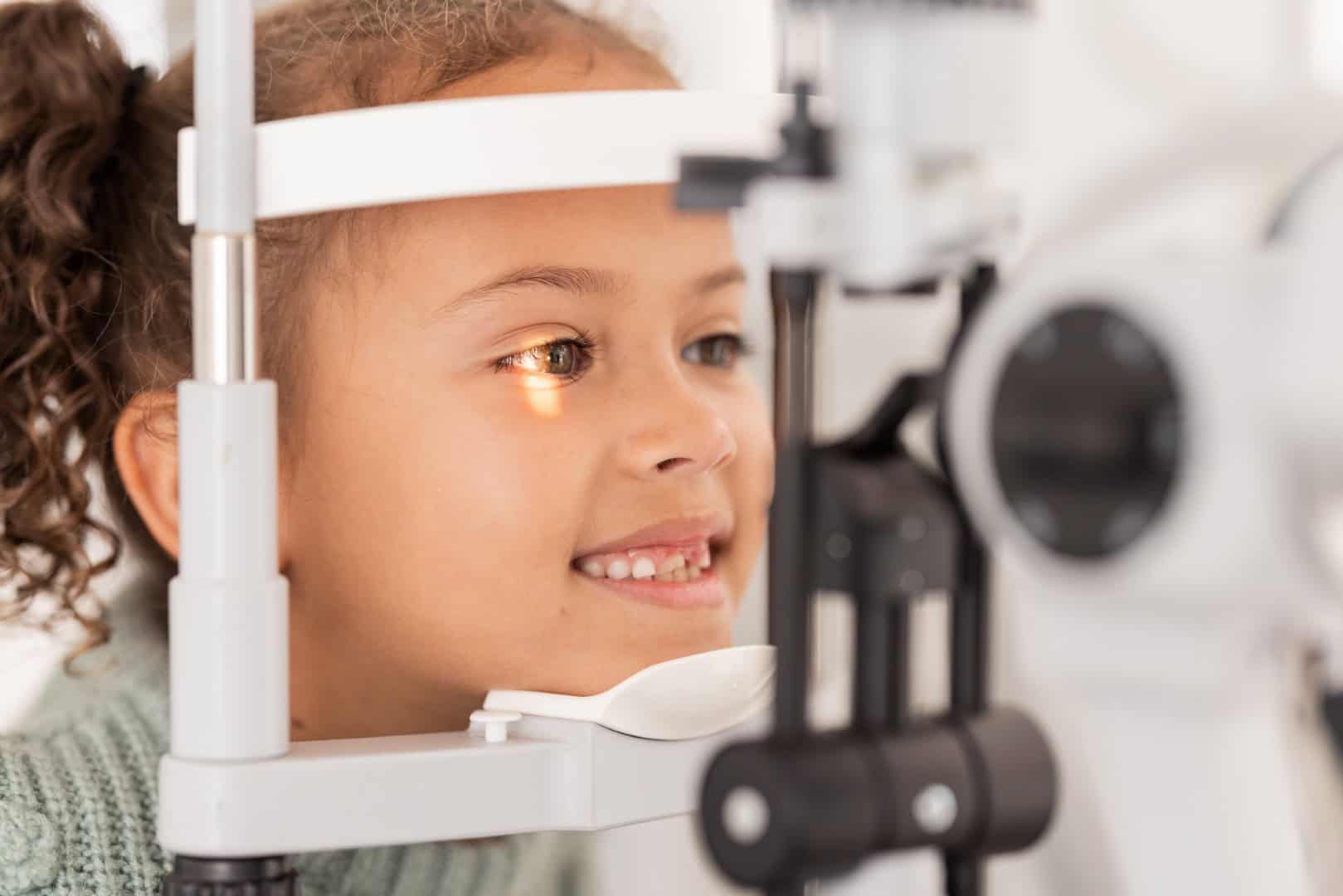
Children should have their eyes tested regularly from an early age, and many specialists recommend a first eye test at around the age of three. From school age onwards, a test every two years is the standard advice, though more frequent checks may be recommended if a problem is identified. Good vision is essential for learning and development, and many children struggle in the classroom simply because an undetected vision problem has never been picked up. The difficulty is that children are rarely able to recognise or communicate that their eyesight is not as it should be, because they have no way of knowing what clear vision looks like. Common childhood conditions such as short-sightedness, long-sightedness, astigmatism and lazy eye are all far easier to manage when caught early, which is why routine testing from a young age is so worthwhile. It is also worth knowing that all children under 16, or under 19 if in full-time education, are entitled to a free NHS eye test, so there is no financial barrier to keeping your child’s vision properly monitored. If you notice any signs that your child may be struggling with their vision, such as sitting too close to the television, squinting or complaining of headaches, it is worth booking a test sooner rather than waiting for the next routine check.
How Often Should Pensioners Have Their Eyes Tested?
For anyone aged 60 and over, regular eye tests become even more important, and the good news is that they are also completely free. Everyone aged 60 and over is entitled to a free NHS eye test, meaning there is no reason to put off a visit to your optician on financial grounds. While the standard two-yearly recommendation still applies to many older adults, those with existing eye conditions or a family history of conditions such as glaucoma are often advised to come in more frequently. As we get older, the risk of age-related eye conditions increases significantly. Cataracts, glaucoma, age-related macular degeneration and diabetic retinopathy all become more common with age, and many of these conditions develop gradually and without obvious symptoms in the early stages. Regular testing is the most reliable way to catch these changes early, when they are far more manageable. According to the NHS, a range of groups are eligible for free eye tests, including those over 60, people with diabetes or glaucoma, and those considered at risk of glaucoma. If you are unsure whether you qualify, it is always worth asking your optician.
When Should You Get an Eye Test Sooner?
While the two-yearly guideline works well for most people, there are a number of situations where it makes sense to book an eye test without waiting for your next routine appointment. If you notice any sudden changes to your vision, such as blurring, double vision, or difficulty seeing clearly at distances you previously had no trouble with, you should book an appointment as soon as possible rather than waiting. Persistent headaches, eye strain and difficulty reading or focusing for extended periods can also be signs that your prescription needs updating, or that something else is worth investigating. Flashing lights, floaters or a sudden increase in the number of floaters you can see are symptoms that should always be checked promptly, as they can occasionally indicate a more serious condition such as a retinal detachment. If you have a family history of eye conditions such as glaucoma or macular degeneration, your optician may recommend more frequent monitoring regardless of whether you are currently experiencing any symptoms. The College of Optometrists recommends discussing your individual testing frequency with your optician, as the right interval depends on your personal eye health history and risk factors. The key message is simple: if something does not feel right with your vision, do not wait. Book an eye test sooner rather than later.
Free NHS Eye Tests: Who Qualifies?
Beyond children and pensioners, a number of other groups are entitled to a free NHS eye test, and it is worth knowing whether you or a member of your family qualifies before assuming you need to pay. In addition to those aged 60 and over and children under 16 (or under 19 in full-time education), free NHS eye tests are available to people with diabetes or glaucoma, those who are considered at risk of glaucoma due to family history, people registered as partially sighted or blind, and those receiving certain means-tested benefits. NHS optical vouchers are also available to eligible patients, which can be used towards the cost of glasses or contact lenses following your test. At Costspex in Durham, we offer NHS eye tests for all eligible patients and accept NHS optical vouchers, so if you think you may qualify it is always worth getting in touch to find out more before your appointment. A full and up-to-date list of who qualifies for a free NHS eye test can be found on the NHS website.
Regular eye tests are one of the simplest and most effective things you can do to protect your vision and your wider health, yet they are easy to put off when life gets busy. Whether you are due a routine check, concerned about a change in your vision, or looking to book an appointment for your child or an older family member, the team at Costspex in Durham is here to help. We offer comprehensive eye tests for adults, children and pensioners, including free NHS eye tests for those who are eligible, in a warm and welcoming practice with no hard sell and no pressure.